Priced In
If you haven’t heard the news, Sony announced that they are raising the prices of the PlayStation 5. Again. The disc-less version is now $600, and the Pro costs $900 MSRP. Nine hundred dollars. This comes on top of price increases of last year. As a reminder, the disc-less version launched in 2020 for $4001. Sony isn’t alone with price increases, of course, with Microsoft hiking the price of their lagging console several times in addition to Game Pass Ultimate. It seems inevitable that Nintendo will eventually follow suit with the Switch 2, despite trying to raise peripheral prices to compensate.
Meanwhile, game studios have been shedding workers at breakneck speeds. Just this past week, Epic Games laid off over a thousand people (with $500 million in additional cuts) amidst lower Fortnite engagement. Overall, the industry lost 45,000 jobs in the last four years. Some of this is attributed to a post-COVID correction, when apparently every studio hired anyone they could and greenlit even the dumbest of live-service games (Concord, Highguard, etc), ironically chasing (fewer) Fortnite dollars.
The other part of it is simple economics. If the average budget for a AAA game is $300 million, even with no storefront cuts and a price of $80, it would still require 3.75 million copies to be sold to break even. A more realistic figure would be 70% of a $70 game, putting it at 6.2 million sales. Again, just to get back to $0, let alone show any profit. GTA 5 sold 225 million copies worldwide, so yeah, it’s still possible to make bank on certain bets. I’m also guessing that GTA 6 will make back its $1 billion budget.
On the other hand, if people have to buy a $900 console just to play it… I dunno.
This very well may be the tipping point beyond which AAA no longer becomes economical viable. Think about the PlayStation 6, which is assumed to be coming out in late 2027 or 2028. Do you believe the base model will be coming out for less than $700? And if you’re willing to drop that amount of money for the next-gen system, will you be satisfied with games that do not require the level of graphical fidelity it would provide? At the same time, it’s going to be difficult for game developers to hit those break-even sales figures if the userbase is balking at the price of the console.
One thing that I think about is whether this whole trajectory is already “priced in,” so to speak. Game development cycles are 5-6 years long, so it makes sense how all these live-service games, started in the most irrational of COVID exuberances, are simultaneously returning to Earth at terminal velocity. Concord et tal failing is one thing though; Fortnite eating its own tail is quite another. Remember when everyone started releasing MMOs trying to chase that World of Warcraft subscription money? After that development cycle of failure – during which WoW declined all on its own – we did not see a renewed interest in full-priced subscription MMOs. The industry moved on to F2P and live-service.
Well, the tides are shifting again. But where is the next sandbar? Are there any left? And if there is, can anyone afford to build on it again?
I suppose we’ll find out around, uh *checks calendar*, 2031. Just in time for Fallout 5.
1 Inflation puts $400 in 2020 as being $750 today. Which… holy shit. Nevertheless, that isn’t how it normally works.
Subnautica May Day… Maybe
Remember all the legal shenanigans surrounding Subnautica 2 from last year? If not, the basic gist was that Krafton bought Unknown Worlds several years ago for $500 million, with an additional $250 million bonus available if Subnautica 2 hit certain sales milestones by 2025. As the deadline approached, it was looking like Subnautica 2 might squeak into Early Access in time after all, and possibly trigger the payout. Then Krafton fired the founders for alleged nonfeasance, and otherwise muddied the waters as much as possible. Litigation has been ongoing ever since.
Until now, anyway. A judge rejected Krafton’s claims, ordered the former CEO Ted Gill reinstated, and the $250 million bonus deadline extended until September 2026:
“Frustrated by the Key Employees’ refusal to forfeit operation control and facing a nine-figure liability, Krafton went searching for a pretext,” the judge wrote, slamming Krafton’s previous claims that Gill and others had “abandoned their responsibilities.”
“Krafton’s true focus in June 2025 was avoiding its financial exposure,” the judge wrote. “It knew Subnautica 2 was poised to achieve a $250 million earnout, which Kim viewed as a catastrophic failure. Krafton undertook ‘Project X’ to either force a deal on the earnout or execute a ‘takeover’ of the studio. Terminating the Founders was one tactic explored and ultimately chosen by Krafton to accomplish its goal.”
If you were curious about the “financial exposure”:
Eligibility for the performance-based earnout is determined by Unknown Worlds’ revenue through December 31, 2025, with an option to extend the earnout period through June 2026. The earnout formula is highly leveraged. If Unknown Worlds surpasses a revenue threshold of $69.8 million, Krafton must pay $3.12 for each additional dollar of revenue generated, up to the $250 million cap.
To better visualize this, here’s a spreadsheet I made:
| Subnautica 2 Revenue | Krafton | Unknown Worlds |
| $69,800,000.00 | $69,800,000.00 | $0.00 |
| $92,171,794.87 | $0.00 | $69,800,000.00 |
| $149,928,205.13 | -$100,071,794.87 | $250,000,000.00 |
| $250,000,000.00 | $0.00 | $250,000,000.00 |
| $319,800,000.00 | $69,800,000.00 | $250,000,000.00 |
So, if Subnautica 2 earns $69.8 million, Krafton keeps all the revenue. Each dollar after that is exponentially worse to the point that Krafton is potentially $100 million in the hole if the game caps out at $150 million in revenue. It’s not until after almost $320 million in total revenue that Krafton gets back the original $69.8 million they “start” with. I don’t know if these bonus payout schemes are normal in the industry, but is it not obvious how much corporate fuckery it invites?
Incidentally, the court records indicated that Krafton’s own finance team estimated over 1.67 million copies sold by Q4 2025 (from an August 2025 early access launch), which would trigger a payout between $191 million and $242 million. So, yeah, right in that Krafton “dead zone” of negative money.
The entire court PDF was a fascinating read, by the way. Back in November, I remember reading an article alleging that Krafton CEO Changhan Kim – the same guy who spearheaded the acquisition in the first place – tried to get Legal to get out of the contract. When he was told by Legal that Krafton would still have to pay out the bonus, he turned to ChatGPT for advice… which also said it was a bad idea. Nevertheless, Kim persisted until ChatGPT spit out an approach that he enacted almost verbatim. The allegation certainly had some “big if true” energy to it. And, well, it was true.
185 Kim Tr. 440-41. Kim admitted at trial that he had deleted specific, relevant ChatGPT logs. Id. at 441. This particular chat was deleted. Id.
Woof.
Anyway, problem solved, Subnautica 2 is on track for a May 2026 early access release!
…or is it?
In another burst of last minute corporate fuckery, Steve Papoutsis (the Krafton-appointed CEO who replaced Ted Gill) sent out an internal memo to the Subnautica 2 team congratulating them on their hard work and saying Krafton has green-lit the release of the game into Early Access in May. This memo was then “leaked” to the world and Krafton acknowledged its veracity to IGN. Which is cool and all, aside from the fact that Ted Gill had yet to be reinstated as CEO, from which he was illegally removed. Motions are already being filed, and Krafton’s argument appears to be that the release date determination came before the judgment, so haha, oops, we did nothing wrong.
So… maybe not May? It’s very possible that the actual developers of Subnautica 2 have been keeping their nose to the grindstone this whole time and the game is ready to go. Or maybe ChatGPT told Krafton executives that their best bet was a reduced-fanfare rollout and hope expected revenue was depressed as a result, thereby limiting liabilities. I’ve certainly heard people on Reddit saying that they don’t want to buy the game and support Krafton as a result. Which is a bit silly in context of the payout, considering the best possible way to punish Krafton is to get Subnautica 2 to $150 million in revenue, directly causing a $100 million Krafton loss.
Regardless, we’ll undoubtedly see something released between May and September. Missing the earnout window after all this time drama would be… criminal.
Impressions: Slay the Spire 2
For something that only happened due to a coin flip, I’d say the folks at Mega Crit have scored another, ahem, mega crit with Slay the Spire 2. And this is with it being Early Access!
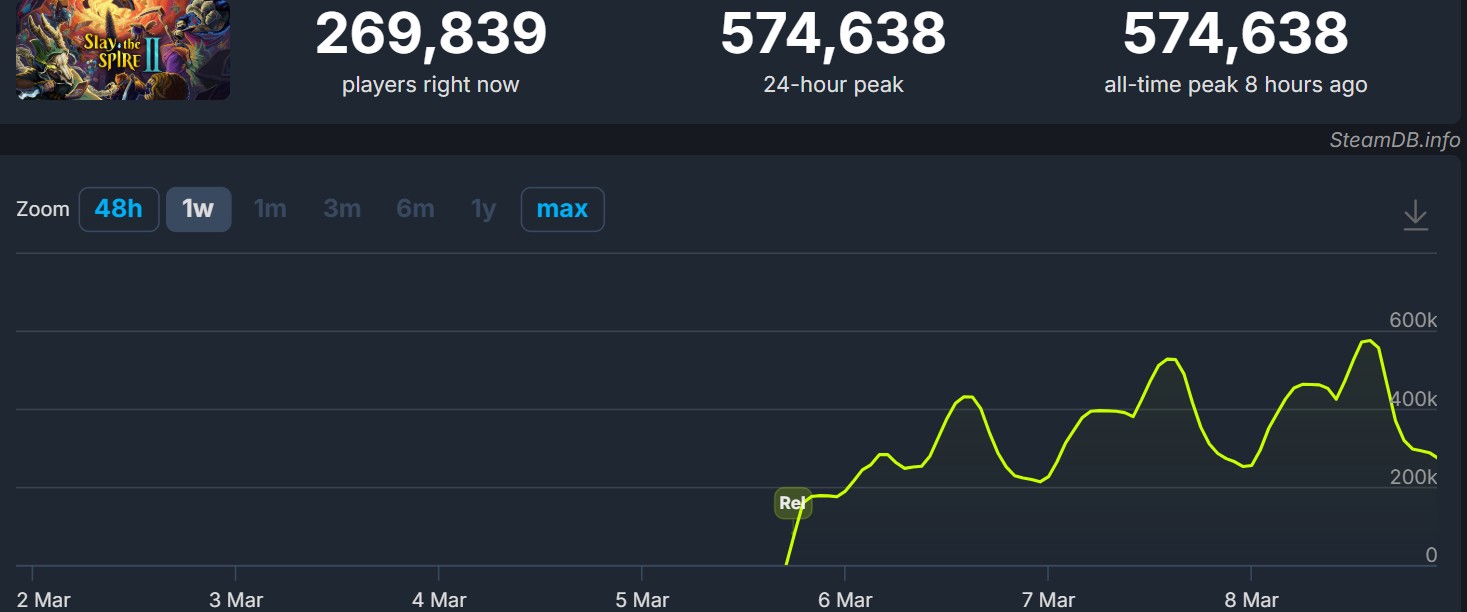
As a veteran of slain spires myself though – 235 hours in Steam, likely 4x on mobile, A20 clears on all characters – my first impressions over eight hours in the sequel has been… weird. Strange, even.
Perhaps I should say: whelmed. I am very, very whelmed.
For starters, three of the original classes have made a return, along with the majority of their original cards. On the one hand, this is good. Why mess with success, especially when the theming and power fantasies were such a hit the first time around? On the other hand, as an OG fan, a lot of the novelty is already pre-digested. There are certainly new cards, and some of the original cards have been tweaked in different ways. But things don’t quite hit the same walking into your first Silent run knowing that you’re going to see Shivs, Poison, and Discard as primary synergies.
The other off-putting things at the moment is balance. Now, this is literally the first few days of an Early Access launch, and there will likely be (bi)weekly balance passes for the next year or longer before StS2 hits 1.0. My concern at this stage though, is that things certainly feel tuned to the level of infinite and/or bomb combos. It was always fun to stumbled into good combos in the original game, but it never felt completely necessary outside of an A20 Heart run; you could still feel reasonably confident heading into most encounters with merely a pile of mostly-good cards. Here in the sequel though, the average (non-Ascension!) encounter will be ready to deal like 35 damage to you right off the bat.
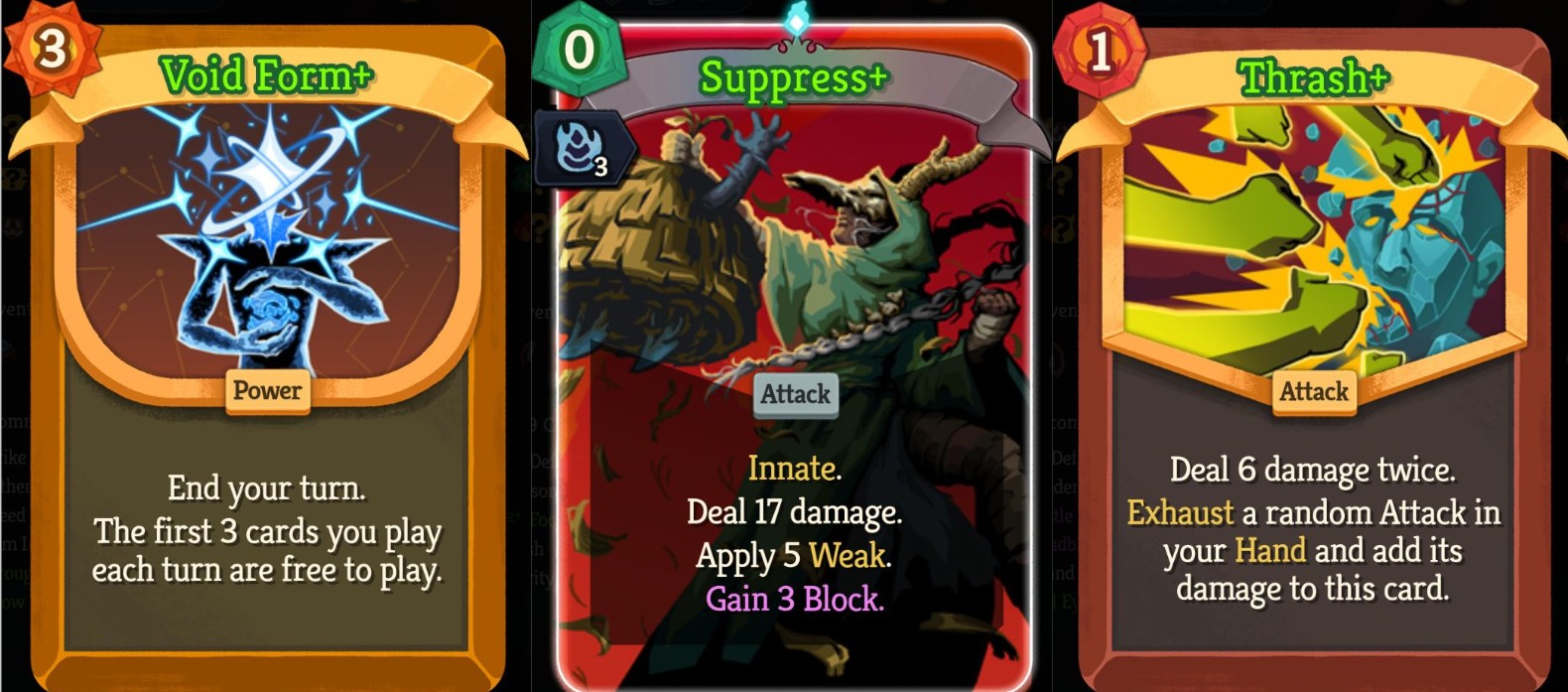
Again, we can imagine a world in which the devs tone down the overall enemy damage and player damage in tandem. But are they going to leave in the bombs? Look at Thrash+ in the picture above. By default, it will deal 6 + 6 damage, and then exhausts an Attack in hand. If that Attack was a standard Strike, not only is it doing you a favor by (temporarily) removing a bad card from your deck, the next time you draw Thrash+ you will be dealing 12 + 12 damage. Imagine instead it removed one that normally dealt 32 damage. How do you tone that down? Make Thrash deal 1 + 1 damage by default? Only add half the attack’s damage? It’s still a run-defining card.
…and maybe that’s OK? Getting the ole Corruption + Dead Branch was a (hilariously fun) run-defining combo in the original as well. All I’m saying is that I’ve scrubbed out on the first boss – and sometimes before then! – on some characters at zero Ascension by virtue of not seeing any bombs/combos. I’m just hoping that once things are tuned appropriately, the game doesn’t still feel so swingy.
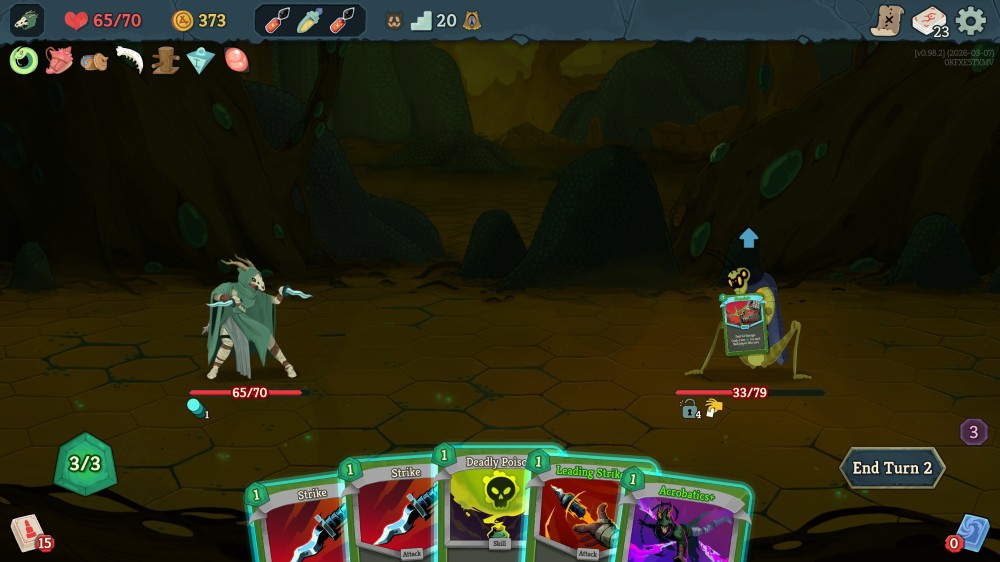
Aside from all that, the rest of the game looks very impressive. Some of the card art, in particular, is amazing. Unlocks are governed by an “Epoch” system which are basically achievements plus some worldbuilding elements. Speaking of worldbuilding… well… yeah. Less is more, and more is less. Some elements felt cool to read about (Silent taking back a piece of the Heart) and other bits kind of made the world feel less cool. I didn’t need to know the world is named Preon and is “that which tells stories,” for example. This could be placeholder text too, who knows.
Anyway, I suppose a lot has changed in the last eight years. Would Slay the Spire 2 have blown me away in 2018? Of course. Is it blowing me away right now? Ehh. I’ll do a few more runs with the characters that haven’t beaten Act 3 yet, and give the devs some more time to cook.
Level of Enthusiasm: Wiki
You ever felt so engaged in a game that you are updating the Wiki? That’s where I’m at in Mewgenics.
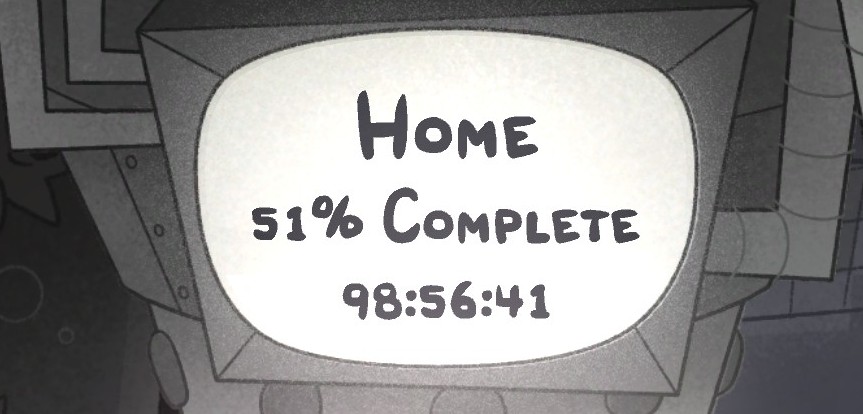
Granted, the Wiki was basically all blank pages since the game came out just a few weeks ago; hard to demonstrate “Wiki-updating enthusiasm” if it is already filled out for you.
But, guys, whew. I play a lot of games, and it is vanishingly rare when I play something that completely consumes the entirety of my play experience. Or should I say: allows itself to consume my play experience. Expedition 33 has a lot going for it and won all kinds of awards for reasons… but I find it difficult to play the game for more than one “session” at a time. Combat is stressful, not fun. Each new area is a hard stopping point wherein you encounter new mobs with new attack patterns you have to memorize so you can Parry them (or die). Two hours is basically my limit for the day.
Mewgenics also technically has stopping points. Maybe all your cats die in a series of unfortunate bouts of RNG. Going into brand new zones can be stressful in its own way too. “This enemy’s ranged attacks delete my equipment? And there are six of them?!” Nevertheless, I persist. And it’s fun. I don’t even bother with GW2 dailies anymore, as that’s 10-20 extra minutes of Mewgenics I could be playing. The last time I experienced this was with Abiotic Factor, and Wartales before that. No doubt I will burn myself out before too much longer, but Christ I almost have 100 hours already.
Not bad for a $30 MSRP game.
Time Deletion
Guys… I’m up to 77 hours in Mewgenics. It hasn’t even been two full weeks yet.
That’s not even the worst/best part: Slay the Spire 2 is hitting Early Access on March 5th. It has one of the best trailers I’ve ever seen for a roguelike deckbuilder:
Granted, I don’t really know of many other roguelike deckbuilding trailers.
In any case, yeah, pour one out for my gaming backlog. And frontlog, for that matter. I certainly haven’t been spending any time thinking about Expedition 33 (etc) in the last two weeks. Too busy drinking from the firehose. Perhaps I can circle back in April… no, let’s say May. End of Q2, for sure.
(Heh, I didn’t say of which year)
Impressions: Mewgenics
TL;DR: I bought Mewgenics on February 14th, and have 30 hours played after four days.
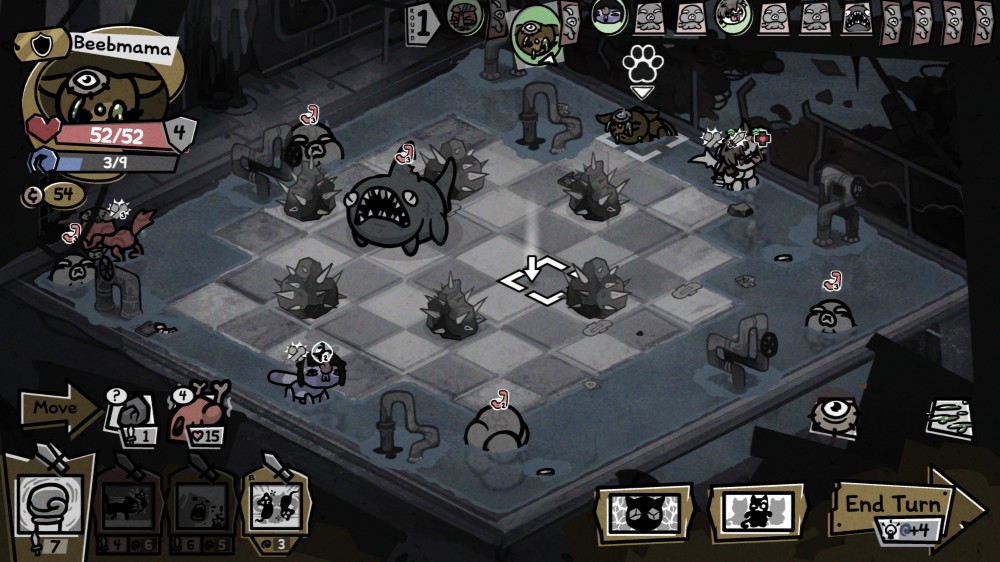
Mewgenics is a tactical roguelite and cat breeding sim from Edmund McMillen, of Binding of Isaac and Super Meat Boy fame. While it does not play like Binding of Isaac, it is absolutely the same kind of brand experience: crude humor, goofy visuals, banging soundtrack, absolutely broken skill/item combos, and a deeply compelling gameplay loop. Well… for the most part.
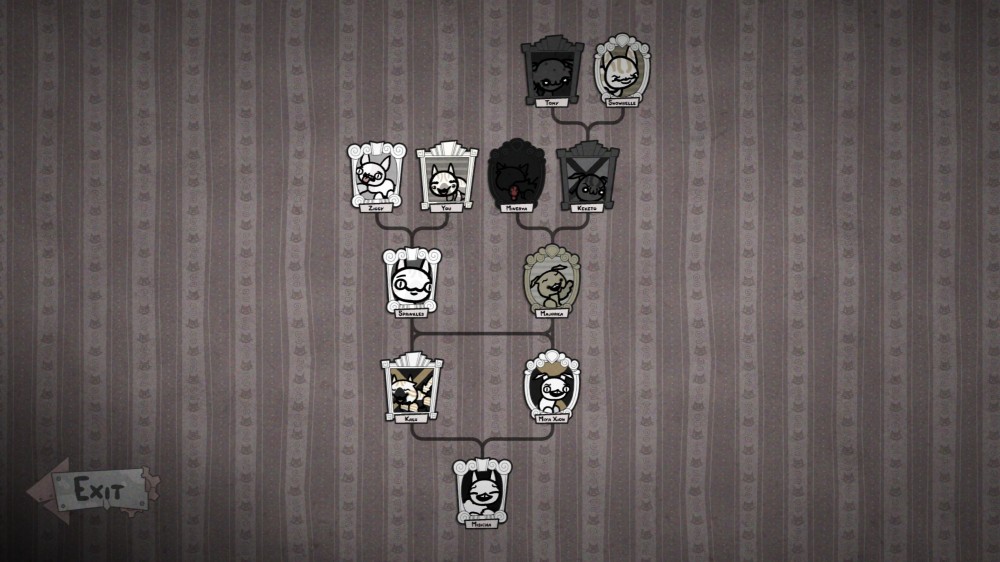
The game is divided in two parts: house and adventure. During the house parts, you are performing the “eugenics” part of the title. At the end of each game day, compatible cats will squirt out 1-2 kittens with some mix of the parents’ stats (and sometimes abilities/mutations), and the kittens themselves will grow into adults an additional day later. There is a lot of RNG involved in breeding into the best stats, but you can mix and match furniture to weigh the odds more in your favor. Or, honestly, you can mostly ignore it and just rely on the daily stray cats that wander onto your property.
When you are ready to adventure, you place up to four cats in a box, give them a class “collar,” and then equip them with any spare items you got from prior runs. After that, you progress through a linear series of nodes that includes battles, events, treasures, mid-bosses, shops, and final bosses.
Hobbes would accurately describe Mewgenic’s combat as “nasty, brutish, and short.” Fights take place in an intimately-sized, randomized board with you generally being way outnumbered. I would classify combat as Fair* with the asterisk emphasized. There is a turn-order ribbon, right-clicking will show you have far a unit can move and subsequently attack, and abilities work as described.
However, no punches are pulled, no mistakes unpunished. There is no move rewind if you didn’t move 1 square far enough, you can absolutely waste attacks by mis-clicking on the ground, and there is built-in punishment for save-scumming battles. Additionally, there are some mechanics that work differently than you may be used to in other games. For example, Tall Grass is terrain that gives the unit a 50% evasion chance… but this also applies to friendly heals and buffs sent your way. Having a Tank character with Thorns or other “on attack” debuffs are great… until an enemy uses a knockback ability and sends your cat bumping into said Tank, dealing massive friendly fire.
It’s also worth noting that if a cat hits zero HP, it goes into a downed state and gets a permanent reduction to one of its stats. If a downed cat takes much more damage though – or gets targeted by a corpse-destroying ability – it dies permanently. While you can occasionally get a mid-run replacement, that new cat won’t have a class and starts at level 1, so it’s barely a warm body.
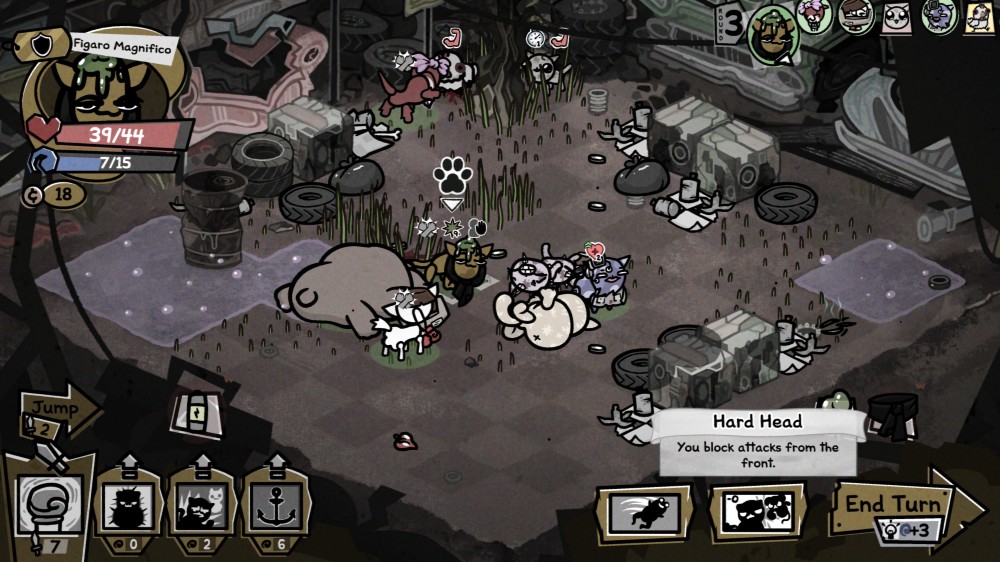
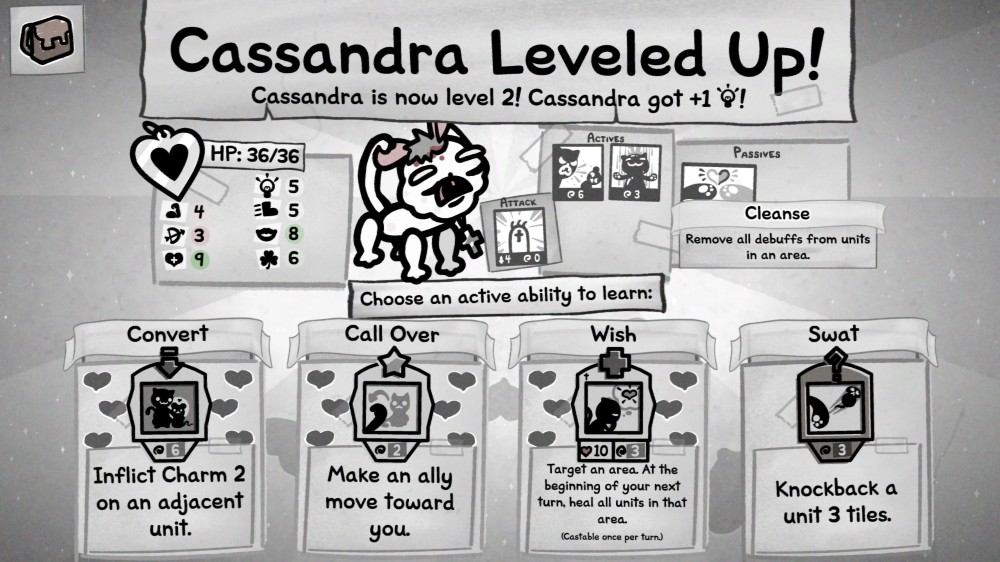
The upshot to this harsh, rules-as-written gameplay is allowing for truly broken shenanigans. Some things are RNG-dependent, such as which items drop and what starting class abilities each cat gets. That said, each level up grants a cat a choice between four options, which can sometimes lead you into interesting directions. In one run, my Tank had a cheap, stackable bodyguard-like ability that automatically caused him to swap places with any other team member that got targeted with anything (attack, spell, etc). He also had a starting ability to give himself Thorns at the cost of not moving during his turn. Not much of a problem since he could protect the team from anywhere. He later got an ability to automatically Block any attack coming from the front. Considering the Bodyguard ability always places the Tank facing the attack… yeah, suddenly my whole team was effectively immune to the first 5-6 attack of every turn.
The balance to all this comes from the fact that cats who survive adventures are “retired” when they come back to the house. They can still stick around a breed and such, but you are going to need an entirely new set of four cats to go on further adventures. Plus, you know, RNG is RNG and you may never receive that same set of skills/items again. Plus plus, the game escalates in difficulty pretty wildly by the end of Act 1, let alone the start of Act 2 where I am. Let’s just say that broken combos can go both ways, if you aren’t careful.
Having said all that, Mewgenics also feels kinda bad sometimes. The house portion of the game feels good, but it keeps getting interrupted by the need to go adventuring, which can often take more than an hour depending on how deep you go. Adventuring by itself usually feels good, but there’s a conflicting desire to play sub-optimally to farm more resources for the house phase rather than do what’s best to ensure success of the run itself. Then there are the house progression unlocks, which are done by “donating” cats to NPCs. One of them wants retired cats, for example, so it’s sometimes tempting to just go on a bunch of first-zone-only runs and try and brute-force the rewards. If you don’t, you’ll be making due with cramped quarters for dozens and dozens of hours.
Also, right now Events in the adventure phase feel half-baked. Random cat is selected, given a small selection of Skill checks, and it’s not entirely clear whether the outcome was due to failing or even succeeding the roll (or what the odds even were). What’s worse, sometimes the best reward is tied to a particular Skill check, not just succeeding on any of them. For example, when given a choice between Eat/Loot/Examine, you might have three different positive outcomes possible, where “positive” might be “just flavor text” or “game-breaking item.” Binding of Isaac was filled with randomness too, sure, but it somehow feels worse in Mewgenics.
So, yeah, that’s the game. If Isaac is any indication (or the 1 million already copies sold), Mewgenics will receive years of support, hopefully addressing things like the Events (etc). Plus, it’s $30 MSRP.
The era of the indie is now.
E33: How It’s Done
I am not particularly far in Claire Obscur: Expedition 33 (E33) – about 12 hours or so in – but I did want to briefly highlight one fantastic customization system that it has in comparison to, say, Avowed, The Outer Worlds 2, or frankly any game that professes to have player agency/customization at all. That system is of Pictos.
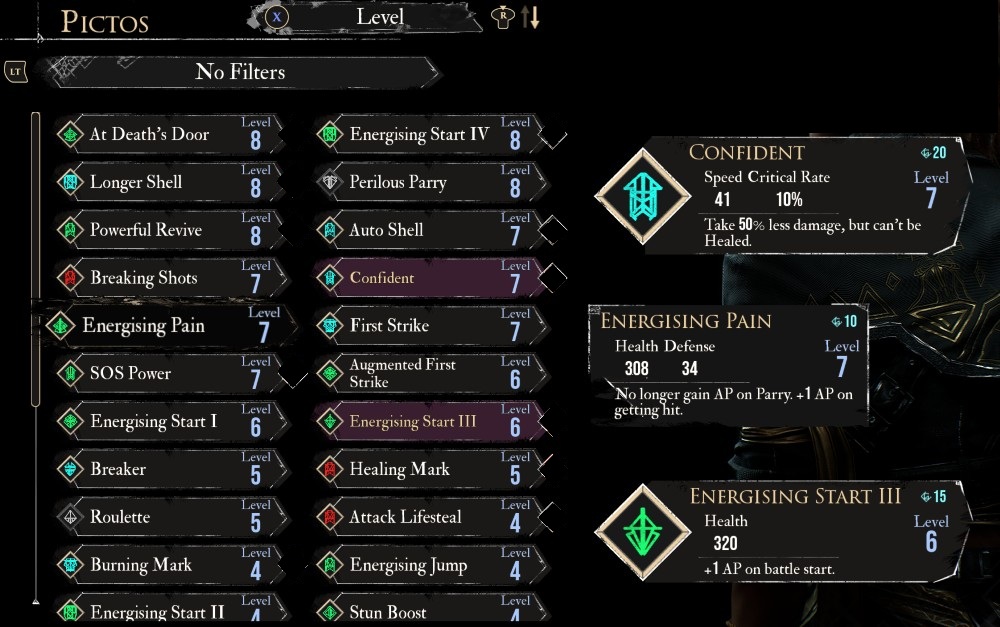
In many ways, Pictos feel like OG Final Fantasy 7 Materia: they are an item you equip that grants both stat bonuses plus a passive ability. Once you complete four combats with a given Pico equipped, the passive ability is permanently learned by everybody. Each character then has a pool of “Luma” they can use in a point-buy way to equip the passives. Some effects are cheap, like being able to gain +1 AP on a Perfect Dodge for 1 Luma; more powerful passives can cost 10, 15, or more. Oh, and of course you can freely move Pictos and Luma around at no penalty (there are respec items for base stats though)!
What gets the juices really flowing are the synergies and tradeoffs. Each character can equip three Pictos apiece, and while so equipped, the passive is granted without spending Luma. Thing is, there is usually an inverse relationship between how much Luma it would otherwise take to get the passive, and the raw bonus stats on the Picto itself. A given Picto might have +50 Speed and +15% Crit Chance, for example, but contains a passive that only saves you 3 Luma. Meanwhile, that 20 Luma passive is attached to like a +300 HP brick.
…which can be still be helpful if one of your characters is wielding a weapon that doubles as damage taken in exchange for another bonus. The downside of which you are mitigating with a passive that reduces damage taken by 50% but you cannot be healed by spells. No worries, just stack a bunch of +HP Picos and practice your sweet, sweet dance (dodge) moves.
Now, think about The Outer Worlds 2 in comparison. There is none!
Yeah, these are not the same type of games, so of course they are not set up in the same way. But there will be people who argue that you choosing Engineering and Medical on the character select screen in TOW2 is some deep gesture of customization when it is, in fact, an a priori straightjacket that railroads your entire playthrough. “I’m roleplaying though!” Roleplaying… what? Arbitrary Man?
Anyway. All I’m saying is that I am wherever I am in the game, and already have more than 40 Pictos to choose from. And unlike in TOW2, I am actually choosing builds and testing them out, because I am not expressly penalized for doing so. That’s some good, engaging game design.
Maybe Obsidian should take notes.
Half-Cocked
So the news out there is that both Avowed and The Outer Worlds 2 flopped. Or, technically, “failed to meet expectations.”
Last year the developer released three games—a rare and impressive achievement for a studio of its size—but two of them failed to meet sales forecasts set by Obsidian’s parent company, Microsoft Corp. “They’re not disasters,” Urquhart says. “I’m not going to say this was a kick in the teeth. It was more like: ‘That sucks. What are we learning?’”
While Grounded 2 was a big hit, the disappointing results from the other two have led Obsidian to “think a lot about how much we put into the games, how much we spend on them, how long they take,” Urquhart says. Both Avowed and The Outer Worlds 2 were in development for more than six years, inflating their production costs and the company’s financial expectations. One of Urquhart’s missions is to cut down development timelines to three or four years per title. (source)
The piling on in the Reddit comments is understandable, and I agree with most of it. Neither Avowed nor The Outer Worlds 2 feel like games that have had 6+ years in development. The equipment upgrade system in Avowed is both punishing and boring, and two of the classes have nothing interesting going on in the Skills department. For TOW2, Skills/Perks were half-assed at best and irrelevant at worst. What in the world were the designers spending all their time on?
During the negotiations with Microsoft, Obsidian’s executives assembled a slideshow presentation for the concept that would become Avowed, pitched as an ambitious cross between megahits The Elder Scrolls V: Skyrim and Destiny that would allow players to battle monsters together in a massive fantasy world. It was an impressive if unlikely proposition. “My thought when I first saw it was, ‘I don’t think there’s a team on the planet that could execute on this,’” says Josh Sawyer, Obsidian’s studio design director. Two years later, Obsidian stripped out the multiplayer feature, and a year after that it assigned a new director to the project. By the time Avowed came out, it had been in the works for nearly seven years.
Ah, well, there you go.
I’m not going to pretend to be an industry insider, or able to speak authoritatively on game design (or any topic, for that matter). But, respectively devs, what the fuck? We have heard for ages that development cycles are getting more expensive, and that is why game prices have to be $70, $80, and higher with macrotransactions. People just swallow the narrative that all the increases in technology and graphical fidelity make the process of making games cost more money. But peel back the layers and all of a sudden it certainly seems like the people in charge are just going off half-cocked.
Game design is an iterative process, yes. Inventing new forms of fun is hard. I can also understand that sometimes the fun only manifests itself once all the various interlocking systems are already in place. Again, though… what the fuck? “Skyrim meets Destiny in massive fantasy world” is not a game, it is barely a concept of a setting. Do these designers believe that the fun will simply manifest itself out of the aether? “If we build it, they will have fun”? Or do they assume that figuring out the fun is the easy part and can be added in later?
During recent breakfast meetings, Urquhart and his deputies discussed some things they could’ve done better with last year’s releases. Perhaps Avowed players needed the option to, say, commit crimes and get arrested to make the world feel more alive. Maybe The Outer Worlds 2 needed stronger virtual companions. It’s hard to imagine a game would sell more copies if it had pickpocketing, but Obsidian’s leaders say seemingly minor ingredients can make a big difference. “Our job, all of us here, is to go make games that people want to play and buy, and if we continue to do that, then we have a solid business,” Urquhart says.
“Minor ingredients,” oh my fucking god. They have no goddamn clue, do they?
Here you go, Obsidian, on the house. I’m not certain how pickpocketing would have worked in Avowed considering none of the NPCs move, but sure, it would be nice flavor. But I recommend starting with the fact that every part of the player progression experience is awful. You are punished for upgrading equipment since resources are finite and enemies don’t respawn, and are also punished for not upgrading equipment as enemies automatically deal 35% more damage if they exceed your tier. When you do upgrade though, you get a whole +4 to whatever stat, with nothing else interesting going on.
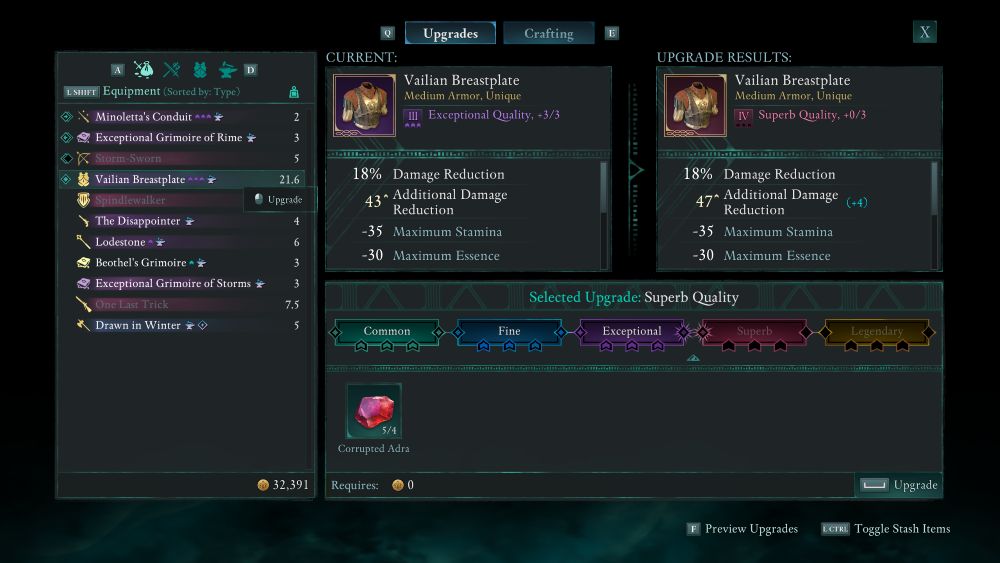
These sort of things are not “minor ingredients.” It’s the whole fucking game! You know, the thing that players do after purchasing your product? P-L-A-Y. Kudos to the people who designed the movement and vaulting inside the game world, but whoever came up with the fiddly bits needs some goddamn coaching. Would it have killed anyone to increase all the values by a few points when upgrading gear? Or playtested the Warrior/Ranger talents against all of the stuff the Wizard could do by default?
As for The Outer Worlds 2, same thing. Skills and Perks were deadass boring. How many of them meaningfully impacted combat at all? In what world should a player feel comfortable breezing through the entire last Act of game with 17 unallocated Skill Points and 5 Perk Points? Nothing I picked felt like it did anything other than add another percentage gain on otherwise extremely low base damage weapon. Hard to get excited about going from 490% increased damage to 520%.

It could be that I’m the one off-base. Maybe the entire problem with the games were one of marketing, or the story not being engaging enough, or the graphics being something-something. In one of the Reddit threads, someone commented how slowly people talked in Avowed being an issue. OK, sure. That said, it possibly couldn’t hurt to make character progression fun or exciting in any way whatsoever.
The hilarious and tragic thing are the lessons (un)learned.
Grounded 2 came together the quickest. Despite the popularity of the original, which the studio released during the pandemic gaming boom of 2020, Obsidian hadn’t planned on greenlighting a sequel until it got a pitch in early 2023 from Eidos Interactive, a studio in Montreal that was looking for outsourcing work. […]
Grounded 2 offers some lessons for a better way forward. Obsidian assigned a few senior staff to orchestrate the production in Montreal from 3,000 miles away, rather than develop the whole thing in-house. Chris Parker, an Obsidian co-founder who supervised development, says the distance was empowering because he could make hard calls more swiftly. One of the game’s vehicles—rideable insects called “buggies”—had originally been designed to be shared by multiple players until Parker and his crew realized the functionality wasn’t coming together, leading them to pivot. “I was like, ‘If this was one of our internal teams, we would work on this for another two or three months,’” Parker recalls. “We made this call because we could tell them what to do. It feels like we still run around with our kid gloves on internally.”
First of all… they hadn’t planned on greenlighting a Grounded sequel? I mean, yeah, not every game needs a sequel, people crave new experiences, sometimes devs want to move on, yadda yadda. Still, it feels bonkers to me that when a game company does strike gold on a fun game concept/design, it often just goes nowhere afterwards. Everyone sings Obsidian’s praises for Fallout: New Vegas, which cost $8 million and only two years to produce. How did that happen? It was basically a Fallout 3 mod. Which is probably why it was so fun in the first place, because it was built on an established foundation of fun.
We’ll have to see with Obsidian whether they take the lessons to heart. But I was also thinking about this other recent tidbit from Blizzard in a different article:
“[Warcraft is] a fantastic IP. In my humble opinion, it’s been underutilized and I just want to bring it to as many people as possible. And that means evolving what Warcraft means, what it is, and where it’s going. We want it to be approachable. Chris Metzen [executive creative director], is sometimes like, ‘I wish we hadn’t called it Warcraft. It sounds intimidating.’ But I’m like, nobody really thinks that about Warhammer. It’s an understood name.
“This idea of ‘third space’ in our online worlds, we can’t even define what that means exactly, but we’re working on figuring that out. We want people to come in, hang out and have birthdays, weddings, raids, grand adventures, play with their friends, meet new friends… all the things that World of Warcraft has been good at for over 20 years. (source)
The easy jokes are, you know, how Blizzard has a TCG, MOBA (abandoned), and Clash Royal-esque mobile app (dead) all within the same narrative universe. But remember, Blizzard had also been working on a fantasy survival game for many years before that got killed in development as well. Wonder what had happened there…
It was conceived to be similar to a more polished version of popular survival games such as Minecraft and Rust, containing “vast” maps supporting up to 100 players. Due to the ambitious map size, the game’s engine was switched from Unreal Engine, in which it was prototyped, to Synapse, an internally-developed engine created specifically for Odyssey and envisioned as something that would be shared by multiple projects. However, the switch led to significant problems – due to delays, Blizzard’s artists were forced to continue prototyping in Unreal, knowing their work would later be discarded. […]
At the time of the Microsoft acquisition, team members remained hopeful they would be allowed to switch back to Unreal Engine due to Microsoft’s stance on allowing game leads rather than executives choose the technology used. While the game was positively received by testers, however, there was estimated to be several years of development time remaining on the project, with even a 2026 release seeming overly optimistic. The news of the game’s cancellation was announced by Microsoft in a company-wide email in late January 2024.[2] Some of the former team members from Odyssey were moved to other projects in development,[2] though a significant portion were laid off.
Of fucking course. I especially liked the “allowing game leads rather than executives choose the technology used.” Seems like a good idea, maybe someone should try it occasionally.
You know, all this does is really highlight that nobody knows what they hell they are doing and it’s a miracle any fun games get built at all.
First Impressions: Clair Obscur: Expedition 33
My first play session with Clair Obscur: Expedition 33 lasted about two hours, and I got through the tutorial and far enough to see the first few real battles. And then I didn’t boot the game back up for almost three weeks.
By the end of the second session… yeah, I can start to see why this is winning all of the awards.
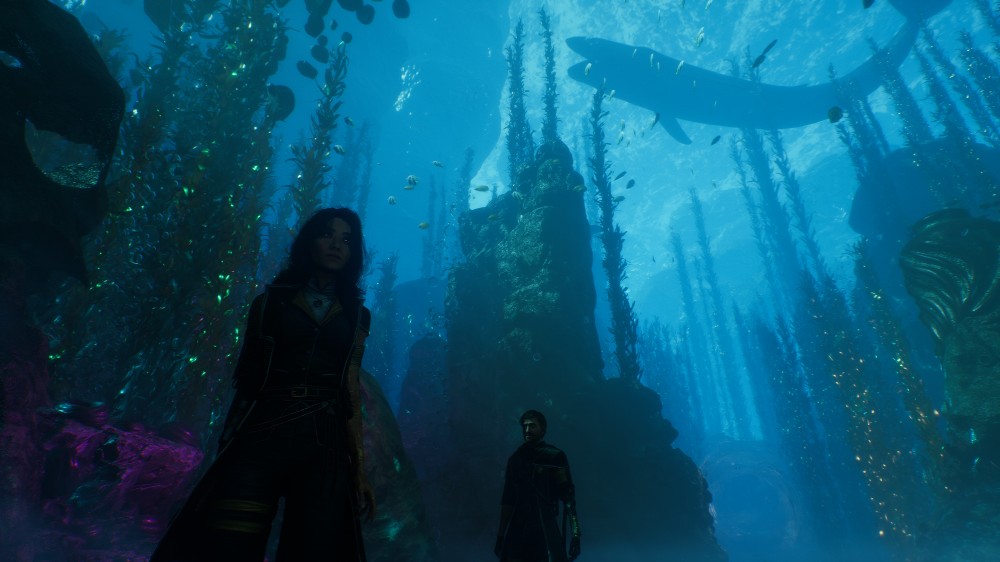
First, the game is trippy and evocative as fuck. The principle bad guy is a goliath-esque woman named The Paintress, which is apt as every environment looks like it sprung directly from some artwork in the Louvre and/or a fever dream. The protagonists live on some kind of island protected by shields or something – with the world itself seeming to have been shattered by some older cataclysm – but the Paintress controls a countdown timer that nevertheless kills everyone older than a specific number. At game start it was 34, and now it’s the eponymous 33. It seems to increment on a yearly basis, but I’m not sure if that was specified (or matters). In any case, every year a small number of adventurers next in line to be erased gets together and attempts to bring the fight to the Paintress. Enter you.
Second, I do want to highly praise the motion-capture and general dialog thus far. It’s passionate, awkward, and deeply human in ways very few other games have been able to reproduce. Nearly 14 years ago, I was blown away by Mass Effect’s wink, and here in Expedition 33 I just witnessed a character search another’s eyes to see if they truly meant what they said. You know, her face close, the silence, her eyes going back and forth with purpose, debriding the layers of your soul. I don’t know how, but they captured it. The bar has been raised again.
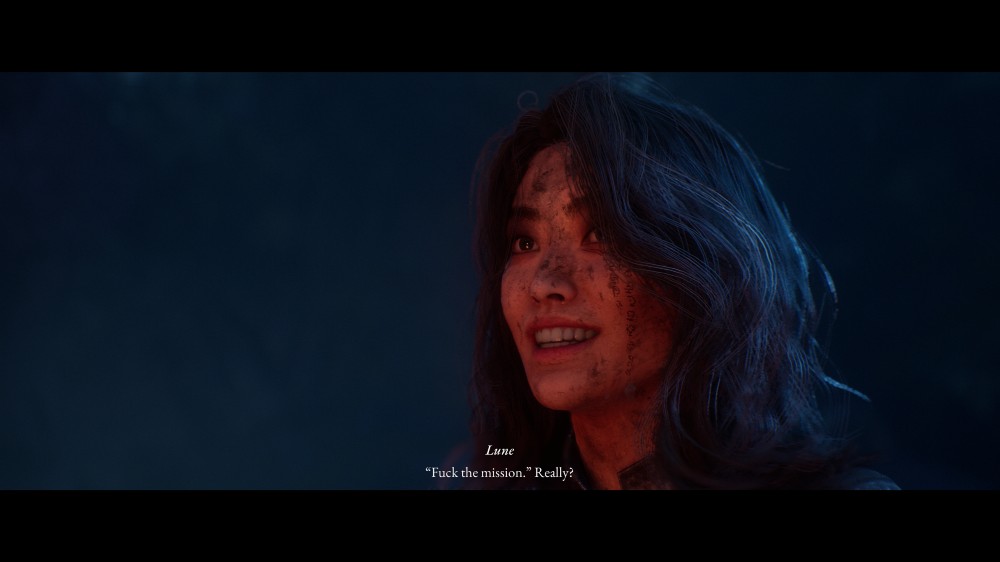
We will have to see how it works out for me over the long haul, but my first impression of Expedition 33’s combat system… is that it’s not fun. Basically, it feels like a turn-based Soulslike. Everything more complex than a basic attack will have a Quick-Time Event sequence in order to juice the skill further. On the enemy’s turn, you are essentially required to either Dodge or Parry their attacks; Dodging has a more forgiving window than Parry, but successfully Parrying every attack will allow the party member to unleash a devastating counter-attack. I say Dodging/Parrying is “required” because the amount of damage you end up taking is significant, and your ability to heal is limited and only refreshed when you arrive at checkpoint flags, e.g. campfires. And yeah, enemies respawn when you rest.
What results is a truly conflicting game thus far. I encountered some enemies in the opening areas that were clearly higher-level than my ability to meaningfully tackle. “The designers just wanted to teach me that not every enemy needs fought, and/or that I may want to revisit places once I gained more levels.” OK, great, very Soulslike of you. Buuuuut, technically, if you just Parry all their attacks, you will defeat them eventually. Which then gets you thinking about why bother putting points in Defense or Vitality, when both are irrelevant if you don’t get hit in the first place. Is that the intentional design? Stack Defense if you aren’t good at the timing, and everyone else go glass cannon?
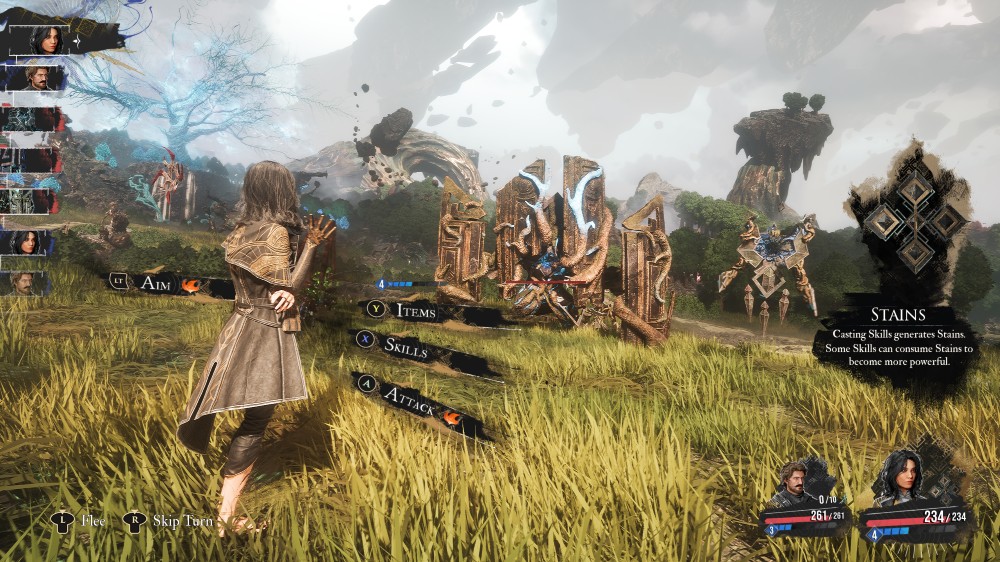
Again, this is all very early on, so perhaps things will improve. Somehow. Or perhaps the combat system is just something you put up with for the environments, dialog, and plot. That is a very old-school RPG sentiment for 2026, but I’m going to roll with it for now.
 In An Age
Game Development is Expensive for Dumb Reasons
Apr 2
Posted by Azuriel
The average AAA game costs $300 million or more to develop. And as Jason Schreier points out, all that money is for… salaries.
Schreier also has a potentially paywalled article that goes into a bit more in-depth, but the short version is that an employee in LA can cost $15,000-$20,000 per month, when considering the full compensation package (salary + benefits). Average that out and a 100-person team budget is $21 million per year. Double that for a 200-person team, etc. That’s your starting point. Now factor in that the game is going to take 5-6 years to develop, and there you go.
But the question we should be asking is: why does it take 5-6 years to develop a game?
The answer may surprise you!
…or not, if you’ve ever worked on a group and/or work project before. It’s scope creep, mismanagement, executive meddling, and a whole lot of hurrying up and waiting. And not anything about fancy graphics.
The very latest example is Edios Montreal cancelling Wildlands, a game that made it all the way into the final debugging phase before being axed this week. Reportedly, it had been “struggling for years, with 4 different game engines used throughout development, narrative direction conflicts, and a budget that had exploded to several hundred million.” The boondoggle also caused a new Deus Ex game to be cancelled, which makes it extra tragic and dumb to me. Nobody asked for this.
The corollary are games in which devs just sort of muck around or go down blind alleys for 4+ years, and then suddenly a completely different finished product emerges 18 (crunched) months later. My favorite example of this is Mass Effect: Andromeda. Instead of following the winning formula of the epic sci-fi trilogy that created it, the devs thought it fruitful to… have the protagonist explore hundreds procedurally-generated worlds.
Nearly all of the shortcomings of Andromeda originated from this outrageous scope, along with being forced to use the Frostbite engine. Plus, all the staffing changes, directors leaving, downtime from having devs in three different timezones working together, etc, etc etc. So maybe a lot of things.
Another example? The as-yet unreleased Subnautica 2. Sure, the obvious issue was Krafton’s CEO trying to personally sabotage a payout to the founders. But a hitherto unreported element to the overall story is how the team was floundering. This part was deep within the court records (PDF):
Now, I’m not going to sit and claim that game development is easy in a Rest of the Owl type of way. Any commercially creative endeavor involves a lot of throwing spaghetti at the wall and seeing what sticks. But what I think we as consumers need to start scrutinizing more is the volume of spaghetti, and why the throwers keep getting spun around a bunch of times before the toss. Or why people who can’t boil water and hate pasta anyway are making spaghetti in the first place.
The bottom line is that there’s not a good reason for games to cost $300+ million, nor is there a compelling reason consumers should subsidize these costs with higher MSRPs or microtransactions. Clair Obscur: Expedition 33, won 436 industry awards, including Game of the Year, on a reported budget of less than $10 million. It apparently still took 5 years to develop, so clearly the Sandfall devs weren’t making LA money. Nevertheless, try and argue with the results.
Or maybe we just… let nature take its course as the industry winnows itself.
Posted in Commentary, Philosophy
Leave a comment
Tags: Armchair Game Development, Clair Obscur: Expedition 33, Costs, Jason Schreier, Layoffs